-
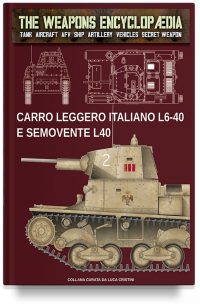
Carro leggero italiano L6-40 e Semovente L40
- €22,00
- Il Carro Armato L6/40 fu L’unico vero carro armato leggero italiano della Seconda Guerra Mondiale. Utilizzato durante la seconda guerra mondiale, prevalentemente dal Regio Esercito che lo impiegò praticamente in tutti i teatri di guerra: Africa settentrionale e orientale, Russia, Balcani e resto dell’ Europa. Utilizzato soprattutto come mezzo di ricognizione a partire alla primavera del 1941 fino all’armistizio con gli alleati nel settembre 1943. Mezzo originariamente progettato per le operazioni in montagna, si rivelò tuttavia presto inadatto alle operazioni…
-
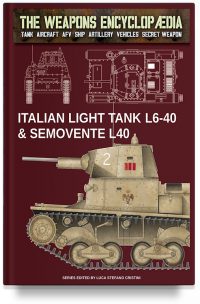
Italian light tanks L6-40 & Semovente L40
- €22,00
- The L6/40 Tank was the only true Italian light tank of World War II. Used during the Second World War mainly by the Regio Esercito, which employed it in practically all theaters of war: North and East Africa, Russia, the Balkans and the rest of Europe. Used mainly as a reconnaissance vehicle from the spring of 1941 until the armistice with the Allies in September 1943. A vehicle originally designed for mountain operations, it soon proved unsuitable for the operations…
-
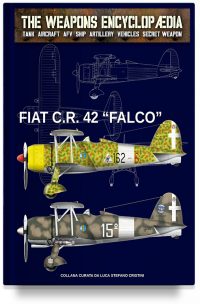
FIAT C.R.42 “Falco”
- €22,00
- Il Fiat C.R.42 Falco fu un celebre biplano italiano di tipo sesquiplano, monoposto e monomotore da caccia e caccia notturna con carrello fisso e struttura metallica a rivestimento misto (parte in metallo e parte in tela), realizzato dalla famosa casa torinese alla fine degli anni trenta. Venne utilizzato nella seconda guerra mondiale prevalentemente dalla Regia Aeronautica, ma fu acquistato anche da paesi come Belgio, Ungheria, Finlandia e Svezia. Il “Falco”, così venne soprannominato l’aereo italiano, fu l’ultimo caccia biplano della storia ad essere costruito in serie. Assieme al Gloster Gladiator britannico e al Polikarpov I-15 sovietico, (ai quali era superiore)…
-
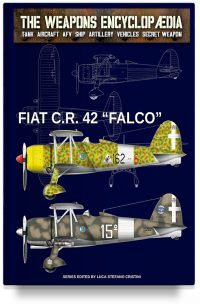
Fiat C.R.42 “Falco”
- €22,00
- The Fiat C.R.42 Falco was a famous Italian sesquiplane-type, single-seat, single-engine fighter and night fighter biplane with a fixed undercarriage and mixed (part metal and part canvas) metal structure, made by the famous Turin-based manufacturer in the late 1930s. It was used in World War II mainly by the Regia Aeronautica, but was also purchased by countries such as Belgium, Hungary, Finland and Sweden. The 'Falco', as the Italian aircraft was nicknamed, was the last biplane fighter in history to…
-
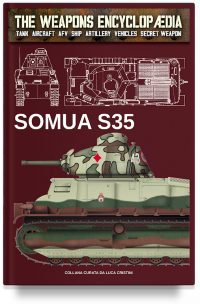
SOMUA S-35
- €22,00
- Il SOMUA S-35 era un carro armato in forza ai reggimenti di cavalleria francesi durante la seconda guerra mondiale. Il mezzo fu messo a punto e prodotto tra il 1936 e il 1940 da SOMUA. Insieme al carro armato pesante B1 Bis, viene sempre considerato il miglior carro armato francese disponibile allo scoppio del conflitto nel 1940. Il Somua S-35 venne realizzato in 430 unità. Ben concepito, il mezzo era veloce, ben corazzato (costruito con sezioni di corazza inclinate e…
-
SOMUA S-35
- €22,00
- The SOMUA S-35 was a tank used by French cavalry regiments during World War II. The vehicle was developed and produced between 1936 and 1940 by SOMUA. Together with the B1 Bis heavy tank, it is always considered the best French tank available at the outbreak of the conflict in 1940. The Somua S-35 was produced in 430 units. Well conceived, the vehicle was fast, well armoured (built with sloping, directly cast armour sections) and equipped with a powerful anti-tank…
-
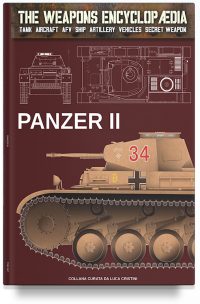
Panzer II
- €22,00
- Il Panzer II, abbreviazione del nome completo Panzerkampfwagen II, il cui numero di identificazione dell’esercito era Sd.Kfz. 121, fu un carro armato leggero tedesco progettato nei primi anni trenta come rimpiazzo del blindato leggero Panzer I. Nonostante il progetto fosse considerato un passaggio a carri maggiori, il Panzer II costituì il nerbo delle divisioni corazzate tedesche durante le campagne di Polonia e di Francia, venendo utilizzato anche durante l’invasione dell’URSS nel 1941, dimostrando tutti i suoi punti deboli. Fu quindi…
-
Panzer II
- €22,00
- The Panzer II, short for its full name Panzerkampfwagen II, whose army identification number was Sd.Kfz. 121, was a German light tank designed in the early 1930s as a replacement for the Panzer I light armoured tank. Although the design was considered a transition to larger tanks, the Panzer II formed the backbone of the German armoured divisions during the Polish and French campaigns, and was also used during the invasion of the USSR in 1941, proving all its weaknesses.…
-
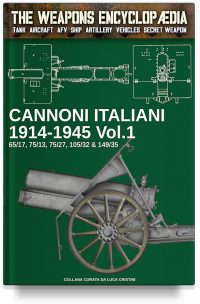
Cannoni italiani 1914-1945 – Vol. 1
- €22,00
- In questo primo di tre volumi vengono trattati tutti i pezzi d’artiglieria di produzione nazionale, straniera e di preda bellica utilizzati e in organico effettivo al Regio Esercito italiano nella seconda guerra mondiale. Ogni mezzo viene descritto con uno o più profili a colore e relativa scheda esaustiva della tecnica e delle caratteristiche dell’arma. Nel primo volume tratteremo principalmente i cannoni ereditati dalla prima guerra mondiale costruzione nazionale o di prede belliche a partire dai calibri più piccoli. In questo…
-
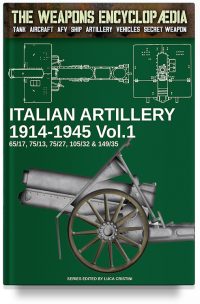
Italian artillery 1914-1945 – Vol. 1
- €22,00
- This first of three volumes deals with all the artillery pieces of domestic, foreign and pre-war production used and in regular use by the Royal Italian Army in the Second World War. Each weapon is described with one or more colour profiles and an exhaustive sheet on the weapon's technique and characteristics. In the first volume, we will mainly deal with the guns inherited from the First World War, which were either domestically built or obtained as war booty, starting…
-
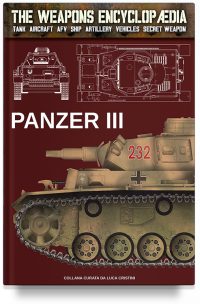
Panzer III
- €22,00
- Il Panzer III, (Panzerkampfwagen III) nell’esercito tedesco era Sd.Kfz. 141, fu insieme al successivo Panzer IV il carro armato medio più noto delle Panzer Division durante la seconda guerra mondiale. Fu progettato espressamente come mezzo anticarro per contrastare i veicoli blindati avversari, ruolo che ricoprì con successo almeno fino al 1942. Il Panzer III, venne continuamente migliorato nel corso del tempo con il potenziamento dell’armamento principale e della corazzatura. La versione J, dotata di un cannone da 50 mm lungo…
-
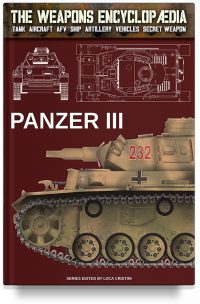
Panzer III
- €22,00
- The Panzer III, (Panzerkampfwagen III) in the German Army was Sd.Kfz. 141, was together with the later Panzer IV the best-known medium tank of the Panzer Divisions during World War II. It was designed expressly as an anti-tank vehicle to counter opposing armored vehicles, a role it successfully filled at least until 1942. The Panzer III, was continuously improved over time with enhancements to its main armament and armor. The J version, equipped with a 50-mm long 60-caliber gun (L/60),…
-
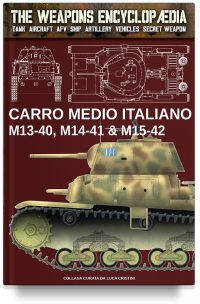
Carro Medio Italiano M13-40, M14-41 & M15-42
- €22,00
- Il Carro Armato M13/40 è stato il più famoso carro operativo italiano della Seconda Guerra Mondiale; progettato per sostituire l’M11/39 nell’Esercito italiano all’inizio del conflitto. Fu il carro armato principale utilizzato dagli italiani per tutta la guerra. Il progetto iniziale fu influenzato dal Vickers 6-Ton britannico e si basava sul telaio modificato del precedente M11/39. La produzione dell’M11/39 fu apposta interrotta per far entrare in produzione l’M13/40. Il nome si riferisce alla “M” di Medio (medio) secondo gli standard di…
-
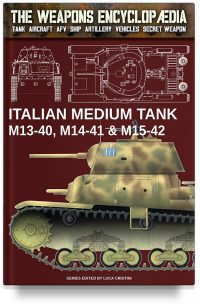
Italian Medium Tank M13-40, M14-41 & M15-42
- €22,00
- The Carro Armato M13/40 was an Italian World War II tank designed to replace the M11/39 in the Italian Army at the start of World War II. It was the primary tank used by the Italians throughout the war. The design was influenced by the British Vickers 6-Ton and was based on the modified chassis of the earlier M11/39. Production of the M11/39 was cut short in order to get the M13/40 into production. The name refers to “M” for…
-
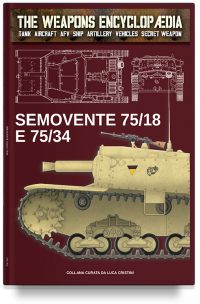
Semovente 75/18 e 75/34
- €22,00
- Il semovente da 75/18, così come tutte le sue varianti successive, fu progettato dalla Fiat Ansaldo. Il carro si basava sullo scafo dei carri M e fu l’unico blindato italiano della Seconda Guerra Mondiale prodotto in numero sufficiente da rappresentare un problema per le forze corazzate nemiche. Il 75/18 diede prova della sua potenza sin dal suo esordio sul fronte africano, ma anche nello sbarco alleato in Sicilia e nei successivi reparti corazzati del Regno del Sud e della Repubblica…
-
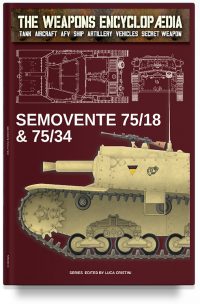
Semovente 75/18 & 75/34
- €22,00
- The 75/18 self-propelled tank, as well as all its later variants, was designed by Fiat Ansaldo. The tank was based on the M tank hull and was the only Italian armored tank of World War II produced in sufficient numbers to pose a problem for enemy armored forces. The 75/18 proved its power from its debut on the African front, but also in the Allied landings in Sicily and the subsequent armored units of the Kingdom of the South and…
-
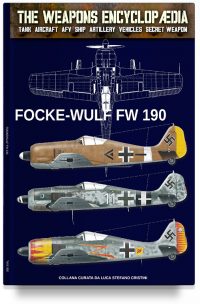
Focke Wulf FW-190
- €22,00
- Fra i tanti aerei prodotti dalla industria tedesca il Focke-Wulf Fw 190 fu in assoluto uno dei migliori. Battezzato presto col nomignolo di Würger (passero, in italiano) la macchina sviluppata da Focke-Wulf a Brema sotto la direzione del capo progettista Kurt Tank venne prodotta in più di 20.000 esemplari, a partire dal 1941. Condivide con l’altrettanto celebre Messerschmitt Bf 109 la fama di caccia più famosi della Luftwaffe. Il Focke-Wulf Fw 190 A-8 era dotato di un motore radiale BMW…
-
Focke Wulf FW-190
- €22,00
- Among the many aircraft produced by German industry, the Focke-Wulf Fw 190 was by far one of the best. Soon christened by the nickname Würger (sparrow in English) the machine developed by Focke-Wulf in Bremen under the direction of chief designer Kurt Tank was produced in more than 20,000 examples, starting in 1941. It shares with the equally famous Messerschmitt Bf 109 the reputation as the Luftwaffe’s most famous fighter. The Focke-Wulf Fw 190 A-8 was equipped with a BMW…
-
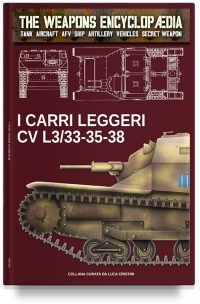
I carri leggeri CV L3/33-35-38
- €22,00
- Nato nei primi anni ‘30 per fornire all’esercito italiano un carro armato leggero su larga scala, l’L3 rimase in prima linea nelle unità corazzate fino al 1941. Anche se ebbe un ruolo importante solo nei combattimenti della campagna d’Etiopia e della guerra civile spagnola, la “scatola di sardine” successivamente si limitò al combattimento antipartigiani e al sostegno delle truppe d’occupazione dopo l’inizio difficile della seconda guerra mondiale. Prodotto in largo numero, in considerazione della capacità industriali del paese negli anni…
-
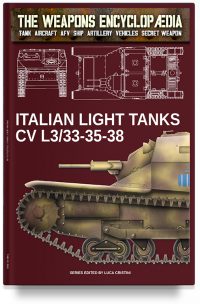
Italian light tanks CV L3/33-35-38
- €22,00
- Created in the early 1930s to provide the Italian army with a large-scale light tank, the L3 remained at the forefront of armored units until 1941. Although it played an important role only in the fighting of the Ethiopian campaign and the Spanish Civil War. The “sardine box” later was limited to anti-partisan combat and support of occupation troops after the difficult start of World War II. Produced in large numbers in view of the country’s industrial capacity in the…
Sale!
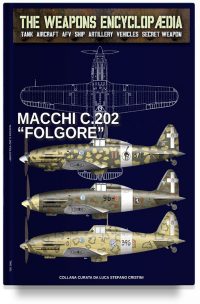
Macchi C.202 “Folgore” (REMAINDER)
Il prezzo originale era: €25,00.€18,00Il prezzo attuale è: €18,00.
Sale!
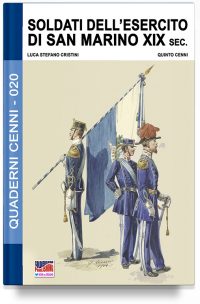
Soldati dell’esercito di San Marino XIX sec. (REMAINDER)
Il prezzo originale era: €39,00.€15,00Il prezzo attuale è: €15,00.